If your dog’s eyes are red, watery, or puffy, the safest thing you can give your dog for eye allergies is a trip to the vet rather than an over-the-counter product, since many human eye drops are unsafe for dogs and the wrong remedy can mask a more serious problem. Dog eye allergies are surprisingly common, especially during Lake Villa’s high-pollen spring and fall months, and they can look a lot like other eye conditions if you don’t know what to look for. At Animal Hospital of Lake Villa, we see dogs with itchy, irritated eyes year-round, and most cases respond well once the underlying allergy trigger is identified and treated properly.
Dog eye allergies happen when your dog’s immune system overreacts to an environmental allergen, such as pollen, dust, mold spores, or grass. Just like in people, this overreaction causes inflammation in the delicate tissue around the eyes. Unlike people, though, dogs can’t tell you their eyes are itchy, so they show it through behavior: rubbing their face on the carpet, pawing at their eyes, or squinting in bright light. Recognizing canine eye allergies early can prevent secondary issues like corneal scratches from excessive rubbing.
What Causes Dog Eye Allergies?
Dog eye allergies are typically triggered by airborne allergens that come into direct contact with the eye’s surface. Seasonal allergens like tree and grass pollen are the most frequent culprits in Lake Villa, but indoor allergens such as dust mites, mold, and certain cleaning products can trigger eye allergies in dogs throughout the year. Some dogs also experience eye allergies as part of a broader skin allergy condition, where the same allergens causing itchy paws or ears also irritate the eyes. These allergens include:
- Seasonal pollen from trees, grasses, and weeds
- Dust mites and mold spores in the home
- Certain shampoos, fabrics, or cleaning sprays
- Food sensitivities that manifest as eye and skin irritation
Dog Eye Allergies vs. Infection
One of the most common questions we get at Animal Hospital of Lake Villa is how to tell dog eye allergies apart from an eye infection, since both can cause redness and discharge. The distinction matters because allergies and infections call for different treatment approaches, and using the wrong one can prolong your dog’s discomfort.
Signs That Point to Allergies
Dog eye allergies usually affect both eyes at the same time and tend to come with clear, watery discharge rather than thick mucus. You’ll often notice your dog pawing at both eyes, mild swelling around the eyelids, and symptoms that flare up seasonally or after specific exposures, like a walk through tall grass.
Signs That Point to Infection
An eye infection more often affects just one eye, produces thicker yellow or green discharge, and may come with squinting from pain rather than itchiness. If your dog’s eye looks cloudy or your dog seems to be in pain rather than just irritated, that’s a sign you’re dealing with something beyond a simple allergy.
What Can I Give My Dog for Eye Allergies?
Because the eye is such a sensitive structure, we don’t recommend giving your dog any over-the-counter eye drops, human allergy medication, or home remedies without veterinary guidance. Many common eye drops contain ingredients that are safe for human eyes but can be harmful to dogs. The right approach for dog eye allergies depends on identifying the trigger and addressing inflammation under your veterinarian’s supervision, which is why an exam at Animal Hospital of Lake Villa is the most reliable first step.
When to See a Vet for Dog Eye Allergies
You should schedule a visit any time you notice persistent eye irritation, especially if it’s paired with excessive pawing, swelling, or any change in your dog’s vision. Eye allergies in dogs rarely resolve completely on their own, and untreated irritation can lead to self-inflicted injury from scratching. Schedule a visit at the vet if you notice any of the following:
- Redness or swelling lasting more than a day or two
- Discharge that changes color or thickens
- Your dog pawing, rubbing, or squinting frequently
- Symptoms in both eyes that flare up with the seasons
How Animal Hospital of Lake Villa Diagnoses Eye Allergies
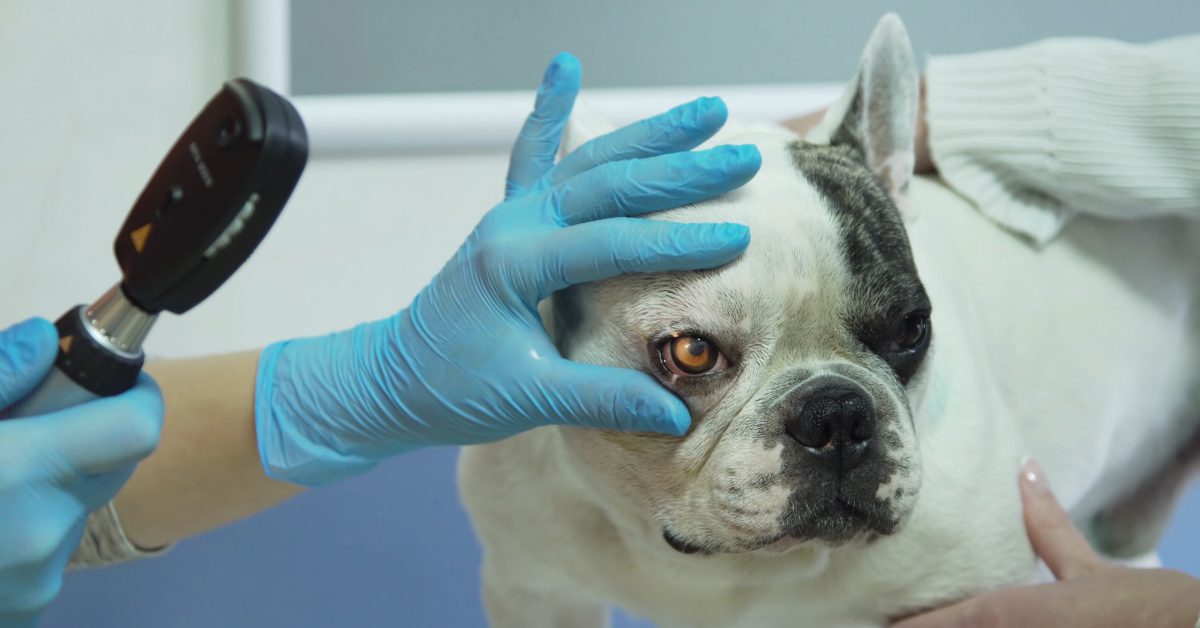
Our veterinary team starts with a thorough eye exam to rule out injury, infection, or structural issues like ingrown eyelashes before confirming a diagnosis of dog eye allergies. We’ll talk through your dog’s environment, diet, and symptom pattern with you, since pinpointing the allergen is often the key to long-term relief. From there, we can recommend a treatment plan tailored to your dog’s specific triggers and severity.
Helping Your Dog Find Lasting Relief
Living with dog eye allergies doesn’t have to mean constant discomfort for your pet. With the right diagnosis and a treatment plan designed around your dog’s specific allergy triggers, most dogs see real improvement within a short time. If your dog has been dealing with watery, itchy, or irritated eyes, our team at Animal Hospital of Lake Villa is here to help you get to the bottom of it. Call us at (847) 356-8387 or book an appointment online.
About Us
Animal Hospital of Lake Villa has provided compassionate, personalized pet care since 1993. Our Fear Free-certified, AAHA-accredited team helps every pet, even the nervous ones, feel safe and at ease.