
The best cat food for urinary health is typically a diet formulated to promote a healthy urine pH, encourage more diluted urine through increased moisture content, and reduce the minerals that contribute to crystal and stone formation. For cats with a history of urinary issues, the right food can play a major role in preventing future flare-ups, but the ideal choice depends on your cat’s specific urinary history and any diagnosis from your veterinarian. Choosing the right cat food for urinary health is rarely a one-size-fits-all decision, which is part of why so many pet owners end up trying several products before finding one that actually fits. At Animal Hospital of Lake Villa, we can help cat owners choose a urinary health diet suited to their cat’s individual needs rather than guessing at the pet store shelf.
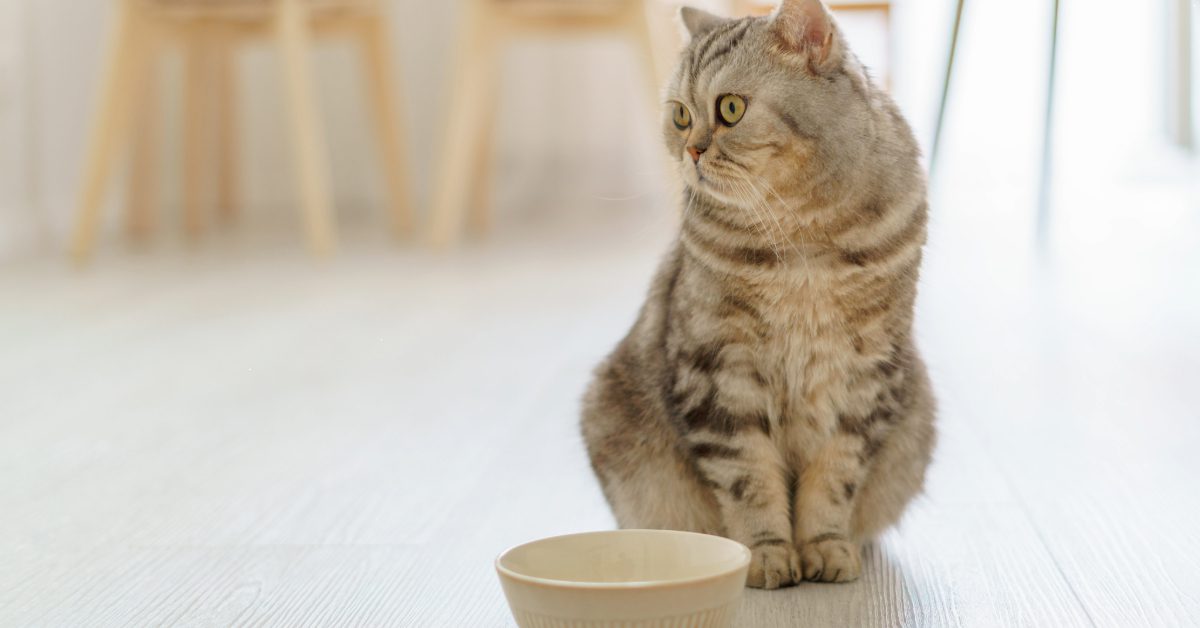
What Cat Food is Good for Urinary Health?
Urinary health cat foods are generally designed around a few key principles: controlling mineral content to reduce crystal formation, maintaining a target urine pH range, and increasing moisture intake to keep urine diluted. Many cats benefit from a combination of wet and dry urinary support food, since added moisture is one of the most effective ways to support bladder health. The best cat food for urinary health will have:
- Controlled magnesium and phosphorus levels
- Formulated to support a healthy urine pH
- Higher moisture content, especially in wet food formulas
- Added omega-3 fatty acids to help reduce bladder inflammation
Reading Cat Food Labels for Urinary Support
Not every product labeled as supporting urinary health is formulated the same way, and ingredient lists alone don’t always tell the full story. Some over-the-counter foods use general wellness claims without the specific mineral and pH targeting found in veterinary-formulated urinary diets. Looking for products that specifically reference urinary pH management or crystal prevention, rather than general phrases like “urinary support,” can help you identify foods more likely to meet the standards your cat actually needs, though confirming with your veterinarian remains the most reliable approach.
Why Moisture Matters So Much for Cat Urinary Health
Cats evolved as desert animals with a low natural thirst drive, which means many cats don’t drink enough water on their own, especially on a dry-food-only diet. More diluted urine helps flush the bladder more effectively and reduces the concentration of minerals that can form crystals, which is why incorporating wet food or adding water to meals is often part of a urinary health plan.
Wet Food vs. Dry Food for Urinary Health
Veterinarians often recommend wet food as the primary diet for cats with a history of urinary issues, simply because canned food typically contains around seventy to eighty percent moisture compared to roughly ten percent in dry kibble. This difference alone can meaningfully increase a cat’s total water intake throughout the day without requiring the cat to actively drink more from a bowl. That said, some cats strongly prefer the texture of dry food, and a combination approach, or adding water directly to dry food, can offer a reasonable compromise when a full switch to wet food isn’t practical.
Choosing the Right Urinary Diet for Your Cat’s Situation
Not all urinary cat foods are created for the same purpose. Some are designed for general prevention, while others are therapeutic diets meant for cats actively recovering from crystals, stones, or stress-related cystitis.
Preventive Urinary Support
For cats with no current urinary issues but a desire to reduce future risk, many over-the-counter urinary support formulas can be a reasonable everyday choice.
Therapeutic Urinary Diets
Cats recovering from a urinary blockage, stones, or recurrent infections often need a prescription-level therapeutic diet, which is more tightly formulated and should be selected under veterinary guidance rather than chosen independently.
How Long Does It Take for Diet to Make a Difference?
Dietary changes for urinary health tend to work gradually rather than producing an immediate effect. Changes in urine pH and mineral concentration generally take a few weeks of consistent feeding to stabilize, and any existing crystals may take longer to fully dissolve, depending on their type and size. This is why veterinarians typically recommend sticking with a urinary-support diet consistently for at least several weeks before evaluating whether it’s working, often confirmed through a follow-up urinalysis rather than relying on symptoms alone.
Common Mistakes When Choosing a Urinary Health Diet
A few habits tend to undermine the effectiveness of an otherwise appropriate urinary diet. Feeding non-prescription treats alongside a therapeutic diet can introduce minerals the diet is specifically designed to limit. Switching foods frequently, rather than giving one formula adequate time to work, can make it difficult to know what’s actually helping. Relying on dry food exclusively for a cat with a history of urinary issues, without incorporating additional moisture, can also limit how effective the diet ultimately is.
Diet Alone Isn’t Always the Full Solution
While the right cat food for urinary health makes a real difference, stress-related cystitis often needs additional management beyond diet, such as environmental enrichment and reducing household stressors. Our team at Animal Hospital of Lake Villa can help you build a complete plan rather than relying on food changes alone.
Choosing Urinary Food in a Multi-Cat Household
Feeding a therapeutic urinary diet can get complicated when only one cat in the household needs it, since cats often share food bowls or help themselves to whatever is available. If one cat needs a prescription urinary diet, separating feeding areas, using timed or microchip-activated feeders, or feeding at scheduled times in different rooms can help ensure the right cat is actually eating the right food. Allowing a cat with no urinary issues to eat a therapeutic diet long-term, or allowing a cat who needs the diet to eat regular food instead, can both reduce how effective the overall plan turns out to be.
Working With Your Veterinarian on the Right Choice
Because the differences between urinary support diets aren’t always obvious from packaging alone, working directly with your veterinarian remains the most reliable way to choose correctly. Bringing your cat in to Animal Hospital of Lake Villa for a urinalysis, especially after any urinary symptoms, gives your veterinarian the specific information needed to recommend a diet matched to your cat’s actual mineral and pH profile rather than a generic recommendation. This is especially important for cats with a known history of crystals or stones, where the wrong food, even one marketed for urinary health, may not adequately address the specific type of mineral involved.
Building Lifelong Urinary Health for Your Cat
A thoughtful approach to diet, hydration, and stress management can significantly reduce the chances of future urinary problems in cats prone to them. If your cat has a history of urinary issues or you’d like guidance on the right food, our team at Animal Hospital of Lake Villa is happy to help you choose with confidence. Call us at (847) 356-8387 or book an appointment online.
About Us
Animal Hospital of Lake Villa has provided compassionate, personalized pet care since 1993. Our Fear Free-certified, AAHA-accredited team helps every pet, even the nervous ones, feel safe and at ease.